
If you have applied to the Administrative Review Tribunal (ART) to review a visa refusal, you will usually be invited to a hearing. For many people it is the best chance to explain their case to an independent decision maker. Good preparation makes a real difference. This guide walks through the process from lodgement to decision.
Key points
- The ART looks at your case afresh and can consider new evidence that was not before the Department.
- You can ask the Department for a copy of the material it gave the Tribunal. Ask early.
- The Department does not usually take part in the hearing for a migration review.
- If you do not attend, the Tribunal can dismiss your review.
- Most student visa refusal reviews are decided on the papers, without a hearing.
Before the hearing
- The Department sends its file: after you lodge, the Department must give the Tribunal a statement about the decision and the relevant documents.
- Request the material: you are entitled to ask the Department for access to the documents it gave the Tribunal. The Tribunal expects this request to be made soon after lodging, and a late request is not by itself a reason to delay the hearing.
- Prepare written submissions: address every reason for refusal and every criterion still in issue, with evidence.
- Respond to any Tribunal letter: if the Tribunal has adverse information it may rely on, it must give you particulars and invite you to comment. These letters have short deadlines.
- Confirm attendance: reply to the hearing invitation and tell the Tribunal if you need an interpreter.
At the hearing
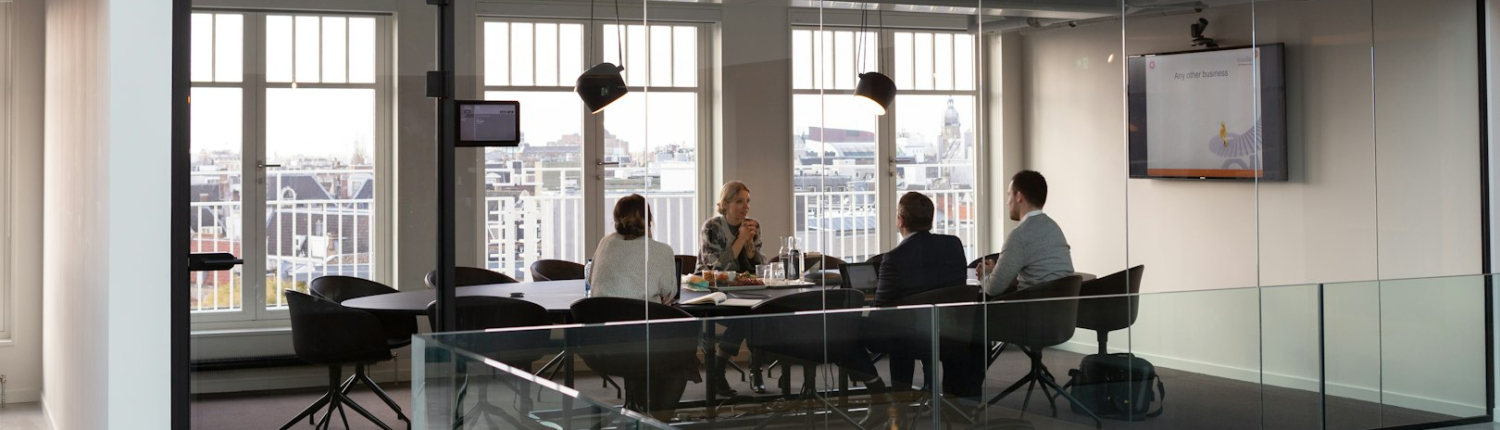
The member decides the case again, as if standing in the shoes of the original decision maker. The hearing is run by a Tribunal member. It is less formal than a court. The member will usually ask you questions about the issues, and may ask questions of any witnesses. Hearings may be held in person or by video or phone, as set out in the invitation.
- Your representative: your registered migration agent or lawyer can attend, help you present your case and make submissions.
- Interpreters: tell the Tribunal in advance if you need one. Speak through the interpreter even if your English is reasonable, if that helps you answer accurately.
- Witnesses: you can ask for witnesses to give evidence, such as a partner, employer or family member. Tell the Tribunal early. There is no right to cross examine witnesses.
- The Department: the Minister is a non participating party in most migration reviews, so a Department officer does not usually attend.
- Public hearings: hearings for most migration reviews can be public. Protection visa hearings are held in private.
Reviews decided on the papers
For student visa refusals, most reviews are decided without a hearing. The Tribunal sends a written invitation to give submissions and evidence on whether you meet the criteria, and you generally have 28 days to respond. If the Tribunal then has adverse information, it gives you 14 days to comment. You cannot appear in person, and the response periods cannot be extended. Reviews involving some public interest criteria, such as PIC 4020, are not decided on the papers. See student visa refusals.
If you cannot attend
If you do not appear and the Tribunal is satisfied you were properly notified, it can dismiss your review. You can apply for reinstatement within 28 days of receiving the dismissal notice. If you do not, the dismissal is confirmed and the refusal stands. If something urgent comes up, contact the Tribunal before the hearing.
The decision
The member may give the decision at the end of the hearing, but usually decides later and sends a written statement of the decision and reasons. The ART must give you a copy within 14 days after the decision is made. See ART decisions explained.
How to prepare well
- Read the refusal reasons line by line and gather evidence for each one.
- Check every date and detail is consistent with your earlier applications.
- Prepare a short chronology of key events.
- Practise explaining your situation simply and honestly.
- Send documents before the hearing, not on the day.
What you should do now
- Request the Department’s material: do it as soon as you lodge.
- Plan your evidence: one section for each refusal reason.
- Book an interpreter if needed: tell the Tribunal in your hearing reply.
- Line up witnesses: and give the Tribunal their details early.
Frequently asked questions
Can I give new evidence at the ART?
Yes. The ART reviews the decision on the merits and can generally consider new information that was not before the Department.
Will someone from Home Affairs be at my hearing?
Usually not. The Minister is a non participating party in most migration reviews.
Do I need a lawyer or migration agent for the ART?
You can represent yourself, but a registered migration agent or lawyer can help you identify the issues and prepare evidence.
What if I miss my ART hearing?
The Tribunal can dismiss the review. You have 28 days after receiving the dismissal notice to apply for reinstatement.
How long after the hearing will I get a decision?
It varies. Some decisions are given at the hearing, but most are sent in writing later.
Related guides
- ART review (formerly AAT)
- Visa refusal appeals
- ART processing times
- ART decisions explained
- Freedom of information requests
- ART time limits
Preparing for an ART hearing? Book a consultation with one of our registered migration agents.
This article is general information only and is not legal advice for your situation.



ART Decisions Explained: Affirm, Set Aside or Remit
What Happens at an ART Hearing for a Visa Refusal
ART Time Limits for Visa Refusals: When the Deadline Starts and Why It Cannot Be Extended
Visa Refused in Australia: What Happens to Your Bridging Visa
Living Apart or Separated Under One Roof: How It Affects a Partner Visa